


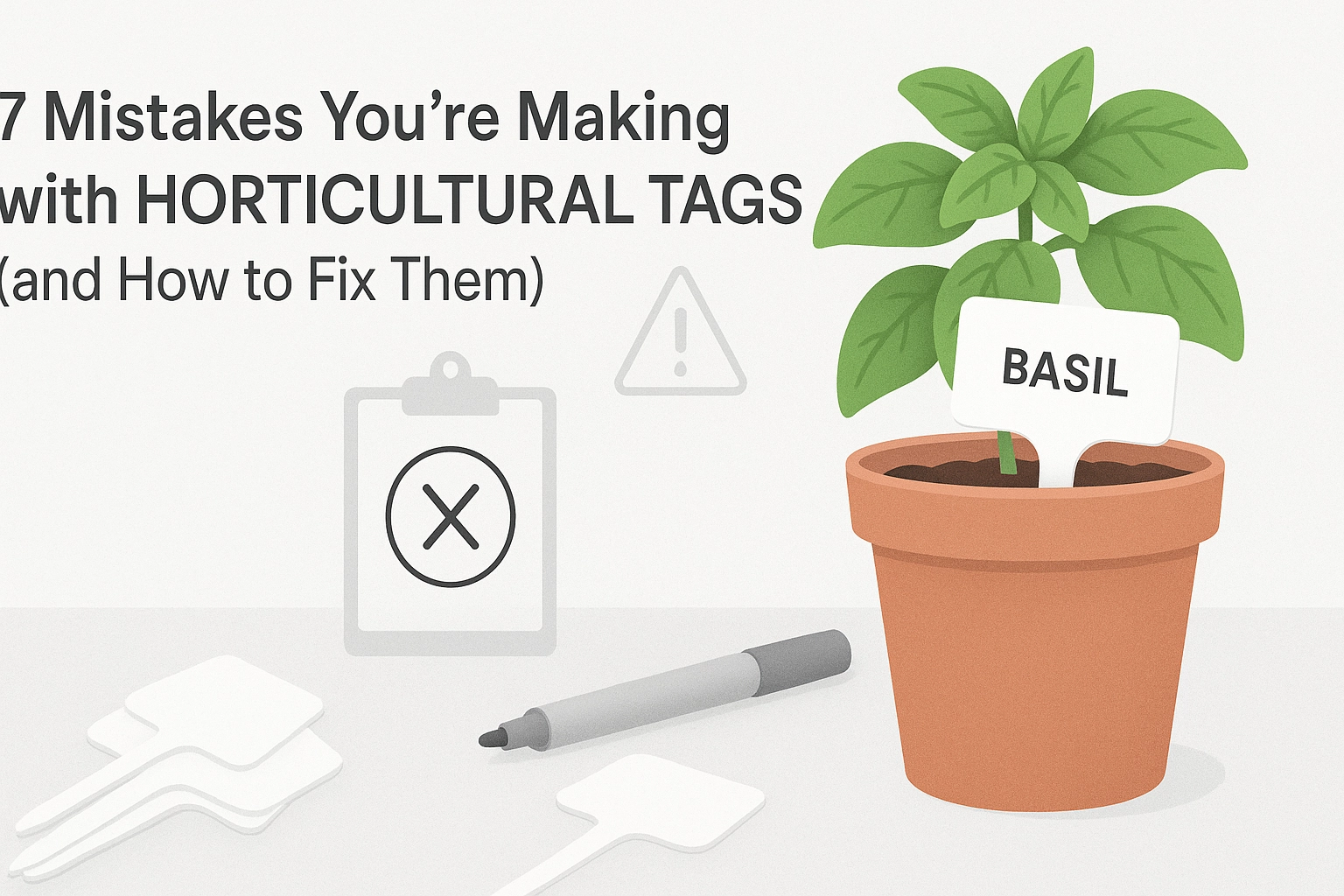
7 Mistakes You’re Making with Horticultural Tags (and How to Fix Them)
Running a successful nursery, greenhouse, or growing operation means paying attention to countless details: and your tagging system is more critical than you might think. We’ve worked with hundreds of growers over the years, and we’ve seen the same costly mistakes repeated time and again. The good news? These problems are completely fixable with the right approach.
Whether you’re a small local garden center hand-writing tags or a large commercial operation managing thousands of plants, these seven common tagging mistakes could be costing you time, money, and customer satisfaction. Let’s dive into what we see most often and how to fix it.
Mistake #1: Using Weather-Inappropriate Tag Materials
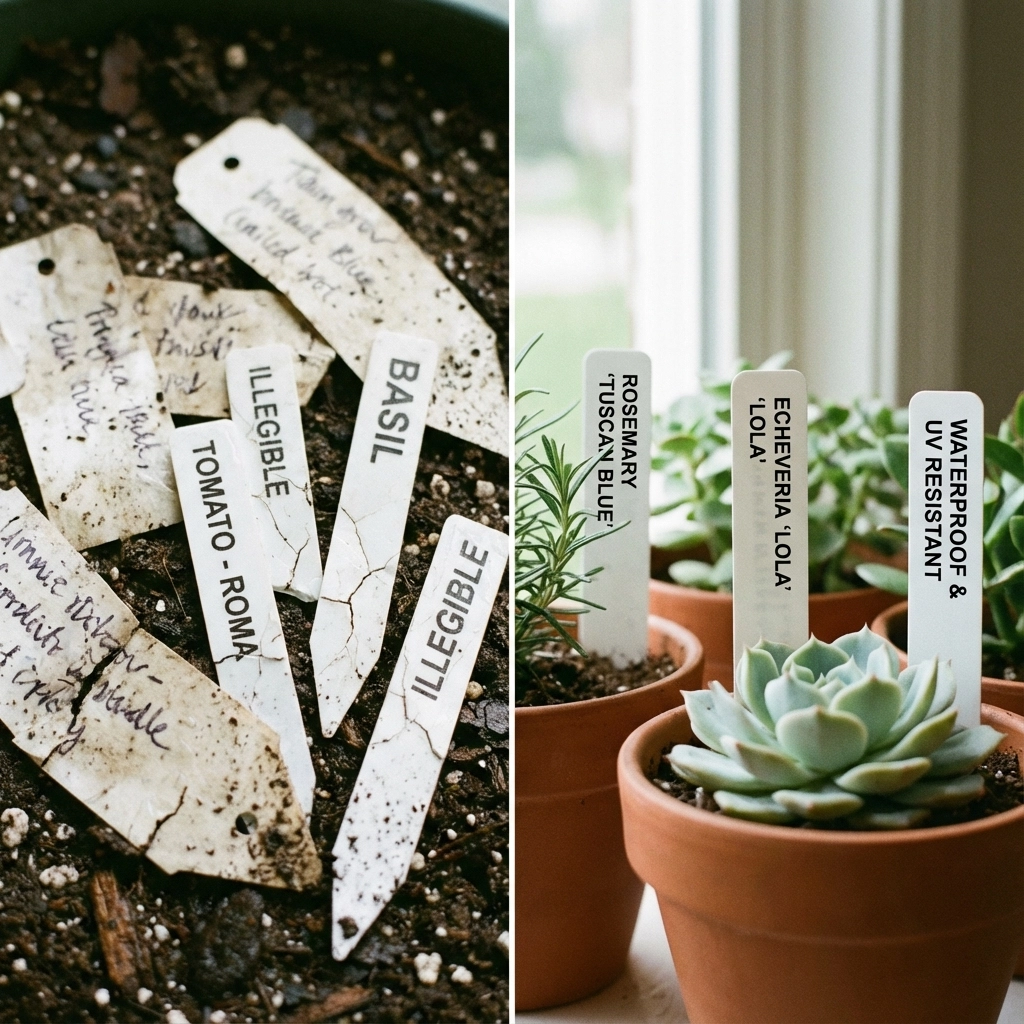
The Problem: You’re using paper tags outdoors or flimsy plastic tags that crack in cold weather. We see this all the time: growers invest in beautiful plants but skimp on tags that can’t handle a single rain shower or freeze cycle.
Why It Happens: Many operations start with whatever’s cheapest or most readily available, not considering their specific environment. Indoor greenhouse tags have very different requirements than outdoor nursery tags.
The Fix: Match your tag material to your environment. For outdoor operations, invest in weather-resistant materials like synthetic substrates or treated papers. Indoor growers have more flexibility but should still consider humidity and temperature fluctuations.
Pro Tip: Test your tags in actual conditions for a full season before committing to large quantities. We always recommend customers run small trials first: it saves headaches later.
Mistake #2: Relying on Handwritten Tags for Professional Operations
The Problem: Handwritten tags work fine for small operations, but they become a bottleneck as you scale. Plus, legibility varies dramatically between staff members, leading to customer frustration and potential plant care mistakes.
Why It Happens: Many growers stick with handwriting because it feels faster in the moment and doesn’t require equipment investment. But when you calculate the labor hours and factor in consistency issues, it’s often more expensive long-term.
The Fix: For operations ready to scale up, thermal printing transforms your tagging process. A quality thermal printer produces professional, weather-resistant tags in seconds. The initial investment pays for itself through improved efficiency and consistency.
We’ve seen customers reduce their tagging time by 75% while improving readability and durability. One greenhouse manager told us, “We went from spending entire afternoons on tags to knocking it out in an hour.”
Mistake #3: Inconsistent Tag Placement and Organization
The Problem: Tags placed randomly throughout plants, sometimes visible, sometimes hidden behind branches. No standardized system for where tags go or how they’re oriented.
Why It Happens: When you’re busy, it’s easy to just stick tags wherever seems convenient in the moment. But this creates a poor customer experience and makes inventory management a nightmare.
The Fix: Develop a consistent tag placement system and train all staff on it. Tags should be visible from the customer’s natural viewing angle, typically front and center of the plant. For hanging baskets, consider tag positioning that’s readable from below.
Create visual standards for your team: take photos showing proper tag placement for different plant types and container sizes. Consistency improves both customer experience and staff efficiency during inventory counts.
Mistake #4: Insufficient Plant Information on Tags
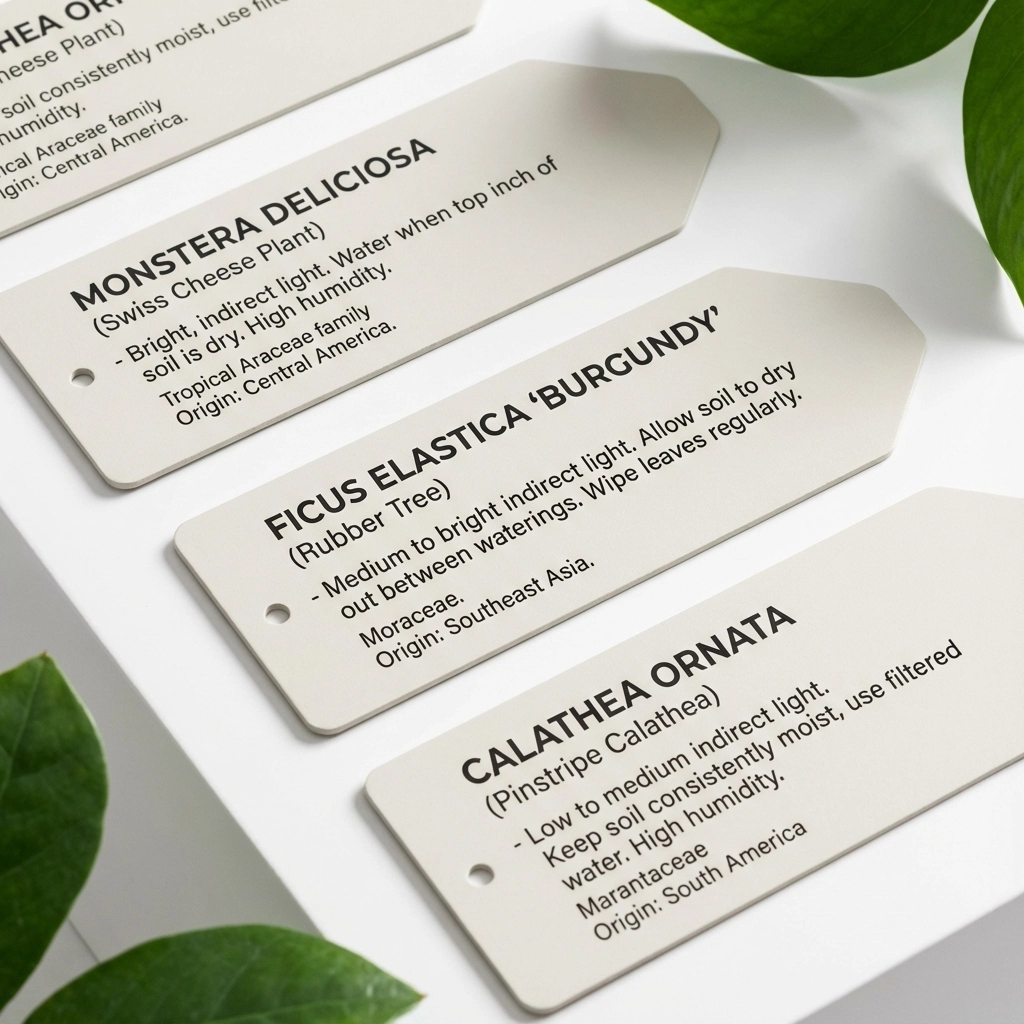
The Problem: Tags that only show common names, or worse, just prices. Missing crucial information like mature size, care requirements, or botanical names leaves customers guessing and often leads to poor plant choices.
Why It Happens: Limited tag space forces tough decisions about what to include. Many operations prioritize price and basic identification over comprehensive plant information.
The Fix: Prioritize the most important information for your customer base. At minimum, include common name, botanical name, mature size, and basic care requirements. Consider QR codes linking to detailed online plant information if space is limited.
Think about your customers’ needs: are they experienced gardeners who want botanical names, or newcomers who need basic care instructions? Tailor your information accordingly.
Mistake #5: Using Temporary Solutions for Permanent Plants
The Problem: Using basic paper tags or temporary markers for perennials, trees, or other plants that will be around for months or years. These tags deteriorate quickly, leaving plants unidentified.
Why It Happens: It’s easy to grab whatever tags are handy, especially when you’re in a hurry. The long-term consequences aren’t immediately obvious.
The Fix: Match tag durability to plant lifespan. Annuals can use basic tags, but perennials, shrubs, and trees need long-lasting materials. Invest in specialty labels designed for multi-season outdoor exposure.
For permanent plantings in display areas, consider more substantial tag signage that becomes part of your garden’s educational value. These don’t just identify plants: they enhance the customer experience.
Mistake #6: Poor Integration with Inventory Management
The Problem: Tags that don’t connect to your inventory system, making it impossible to track what’s selling, what needs restocking, or what’s been in inventory too long.
Why It Happens: Many operations treat tagging as separate from inventory management, missing opportunities for integration that could streamline operations significantly.
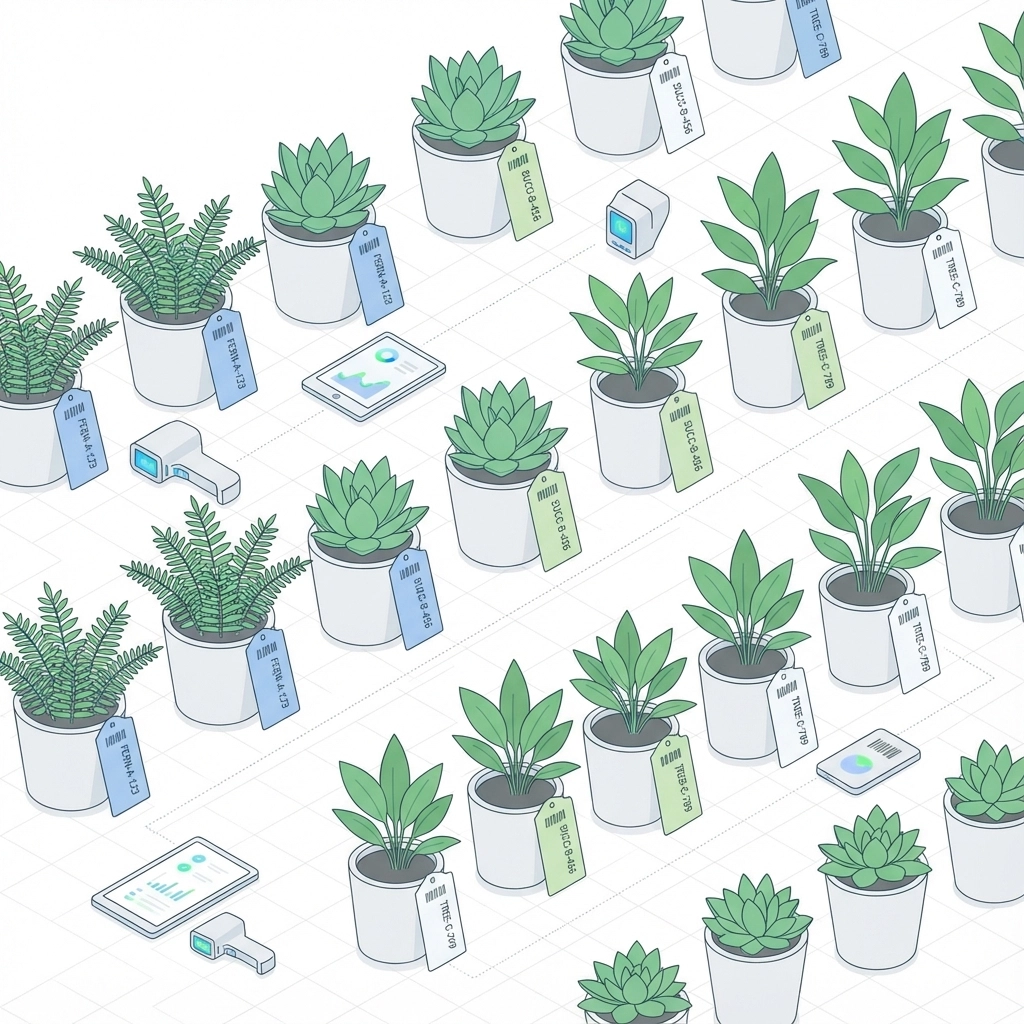
The Fix: Use tags as part of your inventory system. Whether it’s simple color-coding, numerical systems, or more advanced solutions like barcodes or RFID, your tags should help track plant movement.
For larger operations, RFID technology can revolutionize inventory accuracy while reducing labor costs. We’ve seen nurseries reduce inventory counting time from days to hours while achieving 99%+ accuracy.
Start Small: If you’re not ready for full automation, begin with simple coding systems that help track plant age, source, or category. Even basic organization pays dividends.
Mistake #7: Ignoring Customer Readability and Experience
The Problem: Tags that customers can’t read due to small fonts, poor color contrast, or technical jargon. Or tags that get in the way of appreciating the plant itself.
Why It Happens: We often design tags from an operational perspective rather than thinking about the customer experience. What makes sense to staff might confuse customers.
The Fix: Test your tags with actual customers. Can they quickly find the information they need? Is the text large enough for all age groups? Does the tag enhance or detract from the plant presentation?
Consider your customer demographics. Older customers need larger fonts. Novice gardeners need simpler language. Serious horticulturists want detailed botanical information. You might need different tag styles for different plant categories.
Moving Forward: Building a Better Tagging System
The best tagging system is one that grows with your operation. Start with the basics: durable materials, consistent placement, and essential information: then add sophistication as your business scales.
Remember, tags aren’t just plant identification: they’re part of your customer service, inventory management, and brand presentation. A professional tagging system signals to customers that you’re serious about quality throughout your operation.
We’ve helped operations from small garden centers to major commercial nurseries optimize their tagging systems. The common thread among successful implementations? They start with clear goals, test solutions thoroughly, and train staff consistently.
Whether you’re ready to explore thermal printing, interested in specialty label materials, or just want to improve your current handwritten system, the key is matching your solution to your specific needs and growth goals.
Ready to transform your tagging system? We’re here to help you find the right solution for your operation’s unique needs.